Foxglove Toxicity: How to Grow It Safely Around Pets and Children
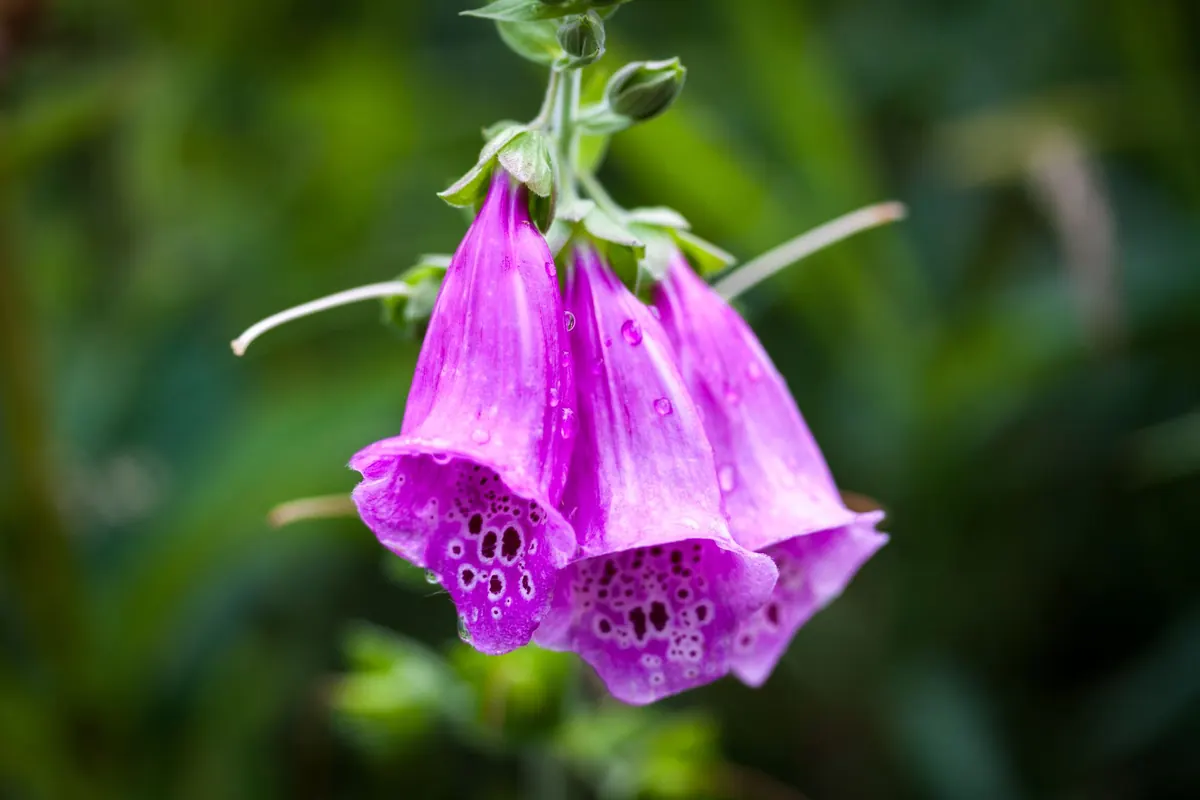
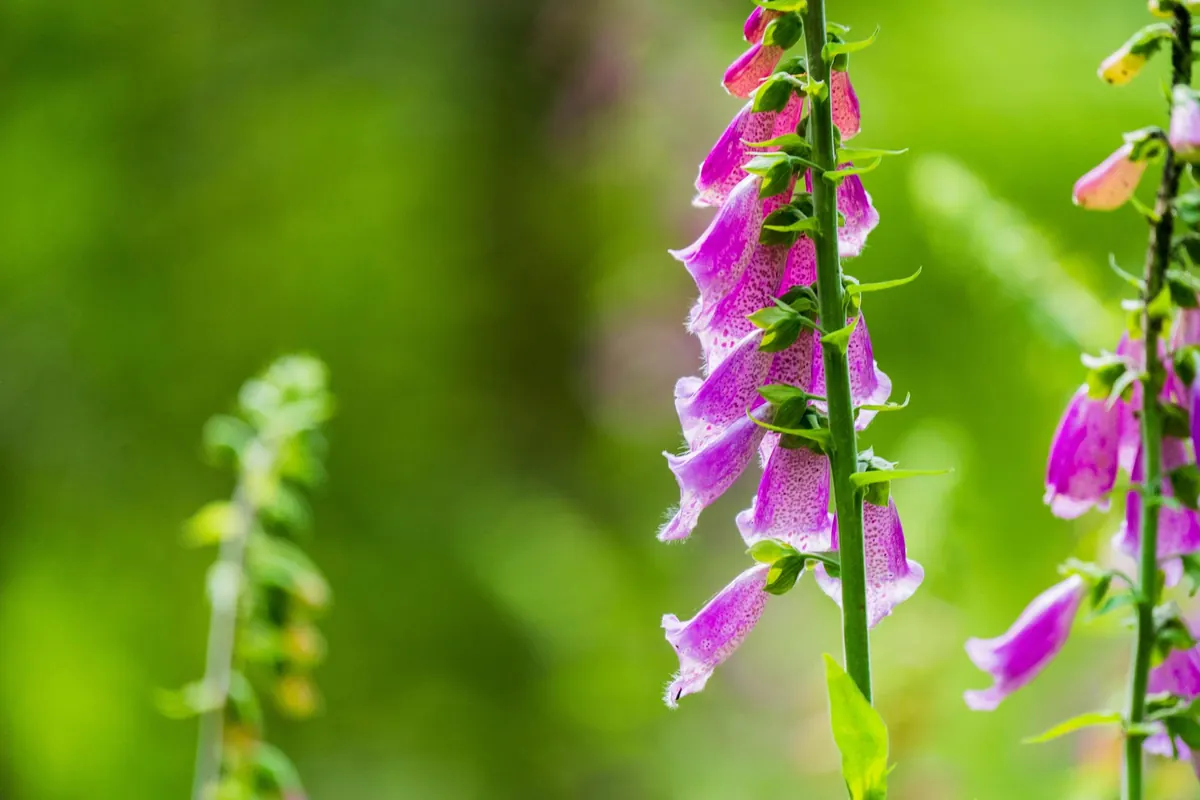
Foxgloves earn their place in the border the hard way. They seed themselves, they tolerate shade, and they send up four-foot spires of speckled bells just when the garden needs them most. They are also genuinely poisonous from root to seed. That combination — beautiful, willing and toxic — is why so many gardeners hesitate once there are small children or curious pets in the house.
The short answer is that foxgloves can absolutely stay. They are not a plant to handle casually or scatter through a play lawn, but they are workable in a family garden when you decide where they grow, how they are handled, and what happens to the prunings afterward.
Why Digitalis Is More Than a Pretty Name
Digitalis purpurea produces cardiac glycosides: a group of compounds that act directly on the heart muscle. The same chemistry, refined and measured, is the basis of the heart medicine digitalis. Outside a pharmacy, there is no measured dose. Glycoside levels shift from plant to plant and rise and fall with the plant's age, the season and growing conditions, so two foxgloves in the same border are not equally potent.
That variability matters more than any single number. It means "just a little" is not a sensible rule, and it means a leaf nibbled in June is not the same as a leaf nibbled in September. Roots, stems, leaves, flowers and seeds all carry the compounds, and dried plant material keeps its toxicity long after it has turned brown and brittle.
The Plant Parts That Cause the Most Trouble
- Leaves — the largest, softest, most reachable part of the plant, and the one most often eaten by accident. Young foxglove rosettes sit low enough for a crawling child or a grazing dog to reach without effort.
- Seeds — produced in quantity in late summer and shed onto soil, paths and lawn edges where they are easy to pick up.
- Roots — a hazard for anyone digging by hand or dividing clumps, and for dogs who dig out of boredom.
- Flowers — the reason children walk over in the first place. Nobody eats a foxglove on purpose; they pick the bell, then put their fingers in their mouth.
- Vase water and cut stems — compounds leach into the water. Do not let cats or dogs drink from a vase of foxgloves.
- Dried stems and prunings — dried foxglove stays toxic. Keep it out of compost, out of hay, and out of the garden waste heap where pets root around.
How Much Is Too Much?
There is no dependable threshold to quote. Reactions depend on which plant was eaten, how much, which part, and the size and health of the person or animal involved. A small body weight matters: a toddler or a terrier is working with far less margin than an adult.
Watch for nausea, vomiting, stomach pain, headache, drowsiness, a slow or irregular pulse, or vision that turns blurred or oddly tinted — yellow-green halos are a classic sign. Symptoms can be delayed by hours, so a child who seems fine immediately after chewing a leaf has not been cleared. If you suspect ingestion, contact emergency services or your regional poison control centre straight away, and call your vet or a pet poison helpline for animals. Do not wait for symptoms to appear, and do not induce vomiting unless a medical professional tells you to.
Where to Plant Foxgloves in a Family Garden
Push them to the back of the border
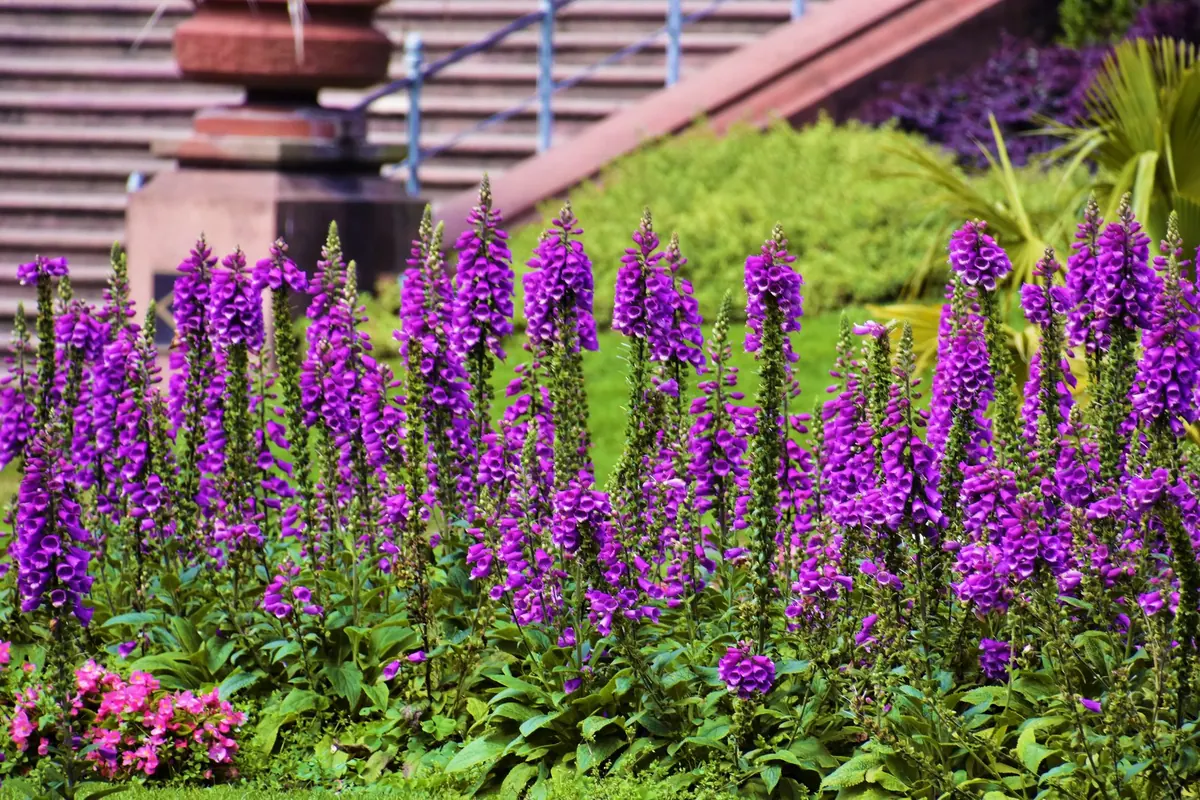
Plant foxgloves behind shrubs, tall grasses or a low hedge. A physical layer of something else between the path and the plant is the simplest protection you can build, and it costs nothing.
Use containers for the showpieces
A pot on a balcony, a wall-top or a sturdy bench keeps foxgloves at adult height and out of the reach of small hands and noses. Sink the pot into the border if you want the look without the exposure.
Keep a no-foxglove zone
Nothing near the sandbox, the swing, the vegetable patch or the herb bed. Herbs and salad leaves get tasted straight from the garden, and the last thing you want is a foxglove seedling hiding among the parsley.
Deadhead before the seed scatters
Cut spent flower spikes as the lowest bells fade, before pods split. You lose some self-seeding, which is the point. Bag the stems and put them in the bin rather than the compost.
Handling Foxgloves Without the Worry
- Wear gloves for planting, staking, deadheading and pulling seedlings. Even if skin contact is unlikely to cause harm on its own, gloves stop the habit of touching your face with sap on your fingers.
- Use secateurs rather than breaking stems by hand, and drop the cuttings straight into a bucket or bag.
- Never eat, drink or smoke while working around them, and wash your hands and tools with soap when you finish.
- Keep the bag closed until it reaches the bin. Do not leave prunings lying on the lawn overnight.
- Rinse the vase thoroughly, or simply avoid cutting foxgloves for indoor arrangements in a house with pets or toddlers.
Household Rules That Actually Stick
Teach one rule rather than a list: nothing from the garden goes in your mouth unless an adult hands it to you. Practice it with safe plants — mint, peas, strawberries — so the rule has positive examples, not just bans. Supervise young children outdoors the way you would near a pond or a fire pit: close, calm and consistent.
With pets, manage rather than trust. Cats rarely bother foxgloves, but dogs chew for many reasons, and dried stems have a texture some dogs find appealing. If your dog is a determined grazer, fence the patch or grow foxgloves in raised containers. Any pet that has eaten plant material and then vomits, drools heavily or seems weak needs a vet call.
Foxgloves, Grown Cautiously
Treat a foxglove the way you treat the medicine cabinet: useful, beautiful in its way, and kept out of reach. Place it at the back, wear gloves, deadhead into a bag, and never compost the debris. If you want the same vertical drama with less worry, snapdragons, hollyhocks, bee balm, cosmos and zinnias all deliver height and colour without the same level of risk.
Foxgloves have grown in family gardens for generations, and they can keep growing in yours. The difference between a plant that frightens you and one you simply manage is a little planning made once, in spring, before the bells open.
Photo: Manuel Bartsch / Pexels