Foxglove Care Checklist: Monthly Tasks from Seedling to Bloom
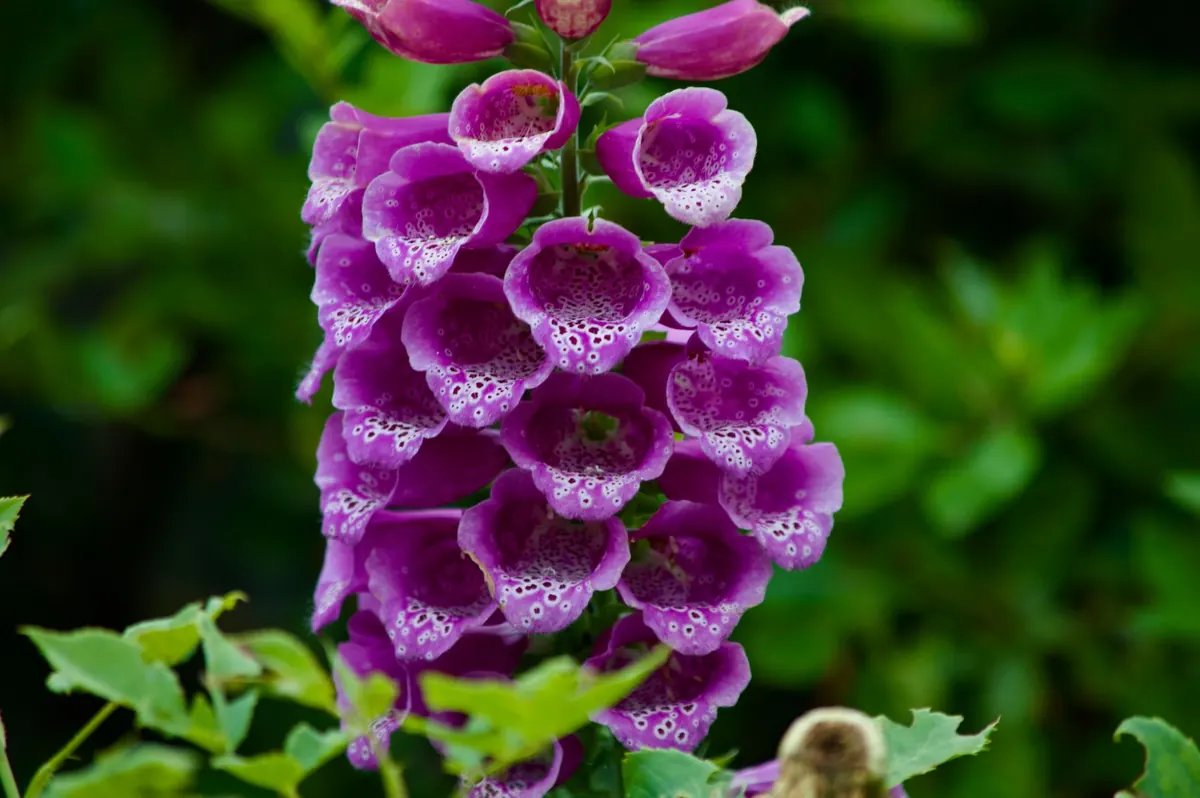
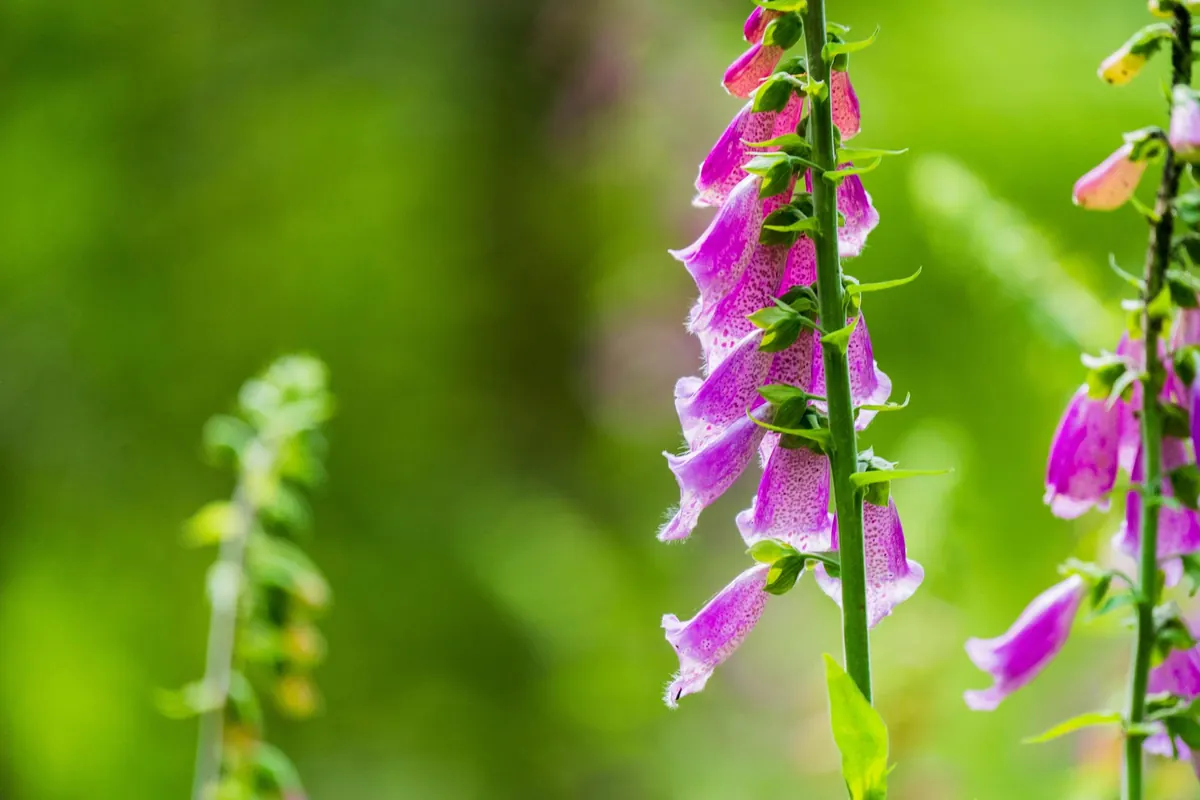
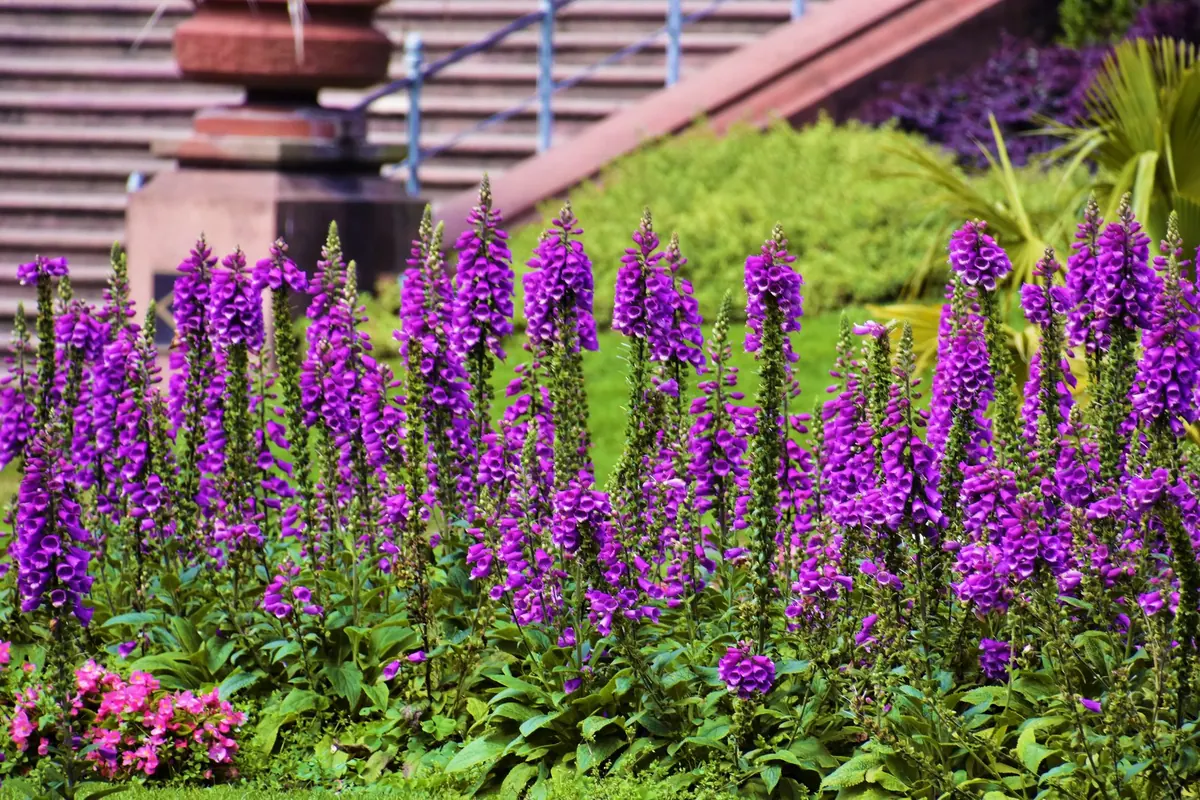
Foxgloves keep a simple calendar. A seed sown in July becomes a leafy rosette by autumn, sits through the winter, and then pushes up a spire of bells the following June. Get the timing right and the plant does most of the work itself. Miss it, and you will spend midsummer tying up a stem that has already collapsed across the border.
What follows is the working schedule I use for common foxglove (Digitalis purpurea), with notes for the perennial species such as D. grandiflora and D. lutea, which behave a little differently. Treat the months as stages rather than fixed dates — a cold spring shifts everything by two or three weeks.
January and February: Start Seeds, Inspect Rosettes
Sow Digitalis purpurea indoors in late winter. The seed is tiny and needs light to germinate, so press it onto the surface of damp seed compost and leave it uncovered. Keep the tray at around 18–21°C; germination usually takes two to three weeks. Some perennial species germinate more reliably after a spell of cold, so if nothing appears after a month, move the tray to a cool shed or the fridge door for two weeks, then bring it back into warmth.
Meanwhile, look at any rosettes already in the ground. Lift a leaf or two and check the crown for rot, which shows as brown, soft tissue after a wet winter. If drainage is poor, fork grit into the soil around the plant in spring rather than digging it up now.
March and April: Planting Out, First Feed, Slug Patrol
Harden seedlings off over seven to ten days before planting. Start with two hours outdoors in shelter, then lengthen the exposure and reduce protection until they spend a full night outside.
Space plants 30–45cm apart. Air moving between them is your best defence against mildew later on, and foxgloves crowded into a tight row will reward you with thin, leaning spikes. They like a humus-rich soil that drains, and they tolerate anything from slightly acid to neutral.
Watering and feeding at this stage
Water deeply once or twice a week rather than little and often. Push a finger in to the second knuckle — if it is dry there, water. Once you see fresh growth, give a half-strength balanced liquid feed every three to four weeks. Stop short of high-nitrogen feeds; they produce soft, floppy stems and fewer flowers.
Slugs and snails do their worst damage now. Hunt with a torch after rain, set beer traps, or ring plants with copper tape. Seedlings can vanish in a single night.
May: Stake Before the Stems Need It
This is the month most growers skip, and then regret. Put supports in while the flower stems are still short and flexible, so the plant grows up through them instead of being tied to a cane after it has bent.
- Single spikes: one bamboo cane per stem, tied with soft twine in a loose figure-eight so the stem is not pinched.
- Clumps and borders: a grow-through grid or a ring support set 20–25cm above the ground works better than individual canes.
- Exposed sites: a wall gives shelter but also creates a rain shadow, so water more often there.
Check the growing tips weekly. Greenfly gather on soft new growth in May and can distort the top of a spike before it opens.
June and July: Bloom Support and Water Discipline
Once the bells start opening, keep the soil evenly moist — not sodden. Dry spells at this point give you short spikes and buds that drop before they colour. Water in the morning, aiming at the base of the plant rather than over the leaves, which reduces mildew and leaf spotting.
Weekly pest and disease check
- Aphids: clustered on tips and buds. A firm jet of water knocks them back; repeat every few days.
- Caterpillars: often rolled inside webbed leaves. Unroll and pick them off by hand in the evening.
- Spider mites: fine webbing and speckled leaves in hot, dry weather. Rinse leaf undersides and raise humidity around the plant.
- Powdery mildew: grey-white film on leaves. Thin crowded clumps, water at the base, and remove the worst leaves.
Deadhead spent spikes by cutting back to a strong side shoot, and many plants will give a smaller second flush in late summer. If you want foxgloves to spread themselves, leave two or three spikes to ripen and scatter. If you keep livestock, or the plants sit near a path where children play, cut them all — self-seeding is generous, but you should stay in control of where it happens.
August and September: Seed, Cuttings, and Next Year's Plants
Seed pods turn brown and rattle when shaken. Tip them into a paper envelope, label it, and store somewhere cool and dry. Fresh seed sown in late summer gives you sturdy rosettes that will flower next June — often better plants than spring-sown seed, because they establish before winter.
Perennial foxgloves can be divided in early autumn, or raised from basal cuttings taken in autumn or early spring: lift a young shoot with a sliver of the base attached, pot it in gritty compost, and keep it out of direct sun until rooted.
October Through December: Winter Care for Rosettes
Leave faded stems standing if you want seed heads for the birds and a little structure through the frosts, or cut them to the base in early autumn for a tidier border. Either way, the rosettes are what matter now.
Mulch around them with leaf mould or garden compost, keeping it clear of the crown so it does not sit wet against the growing point. In heavy clay or a wet site, plant rosettes into a raised bed or fork grit beneath them. Containers need raising onto feet so water drains freely.
Wear gloves when handling foxgloves, and never add the leaves to a compost tea or salad. Every part of the plant is toxic if eaten, and the leaves look uncomfortably like comfrey. Wash your hands afterwards and keep cut material away from children and pets.
The Habits That Matter Most
If you remember only four things, make them these. Water deeply and less often, always at the base. Stake in May, not July. Walk the row once a week and look at the undersides of leaves. And leave a spike or two to set seed, so the colony renews itself without any effort from you at all.
Foxgloves reward patience more than fuss. Give them drainage, room to move air, and a support they can lean on, and they will fill the border with bells while you get on with everything else.
Photo: Marian Havenga / Pexels