Deadheading Foxgloves: When, How, and Why It Matters
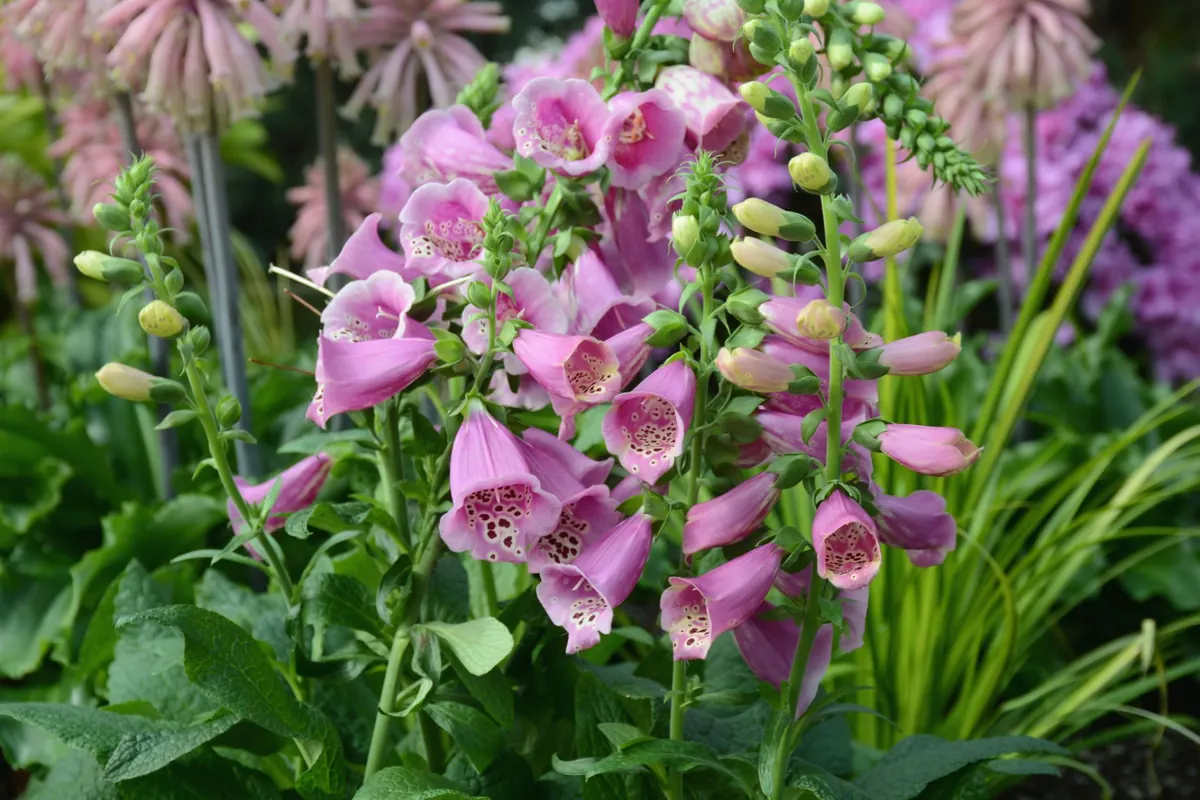
Deadheading a foxglove can feel almost ungrateful. You waited a full year for that spire of speckled bells, and now here you are with secateurs in hand, taking it apart. But the cut isn't about tidiness. It's a decision about where the plant's remaining energy goes: into more flowers, into seed, or into the roots and offsets that will carry it forward. Get the timing right and you'll buy weeks of colour. Get it wrong and you'll lose next year's seedlings.
How a Foxglove Actually Flowers
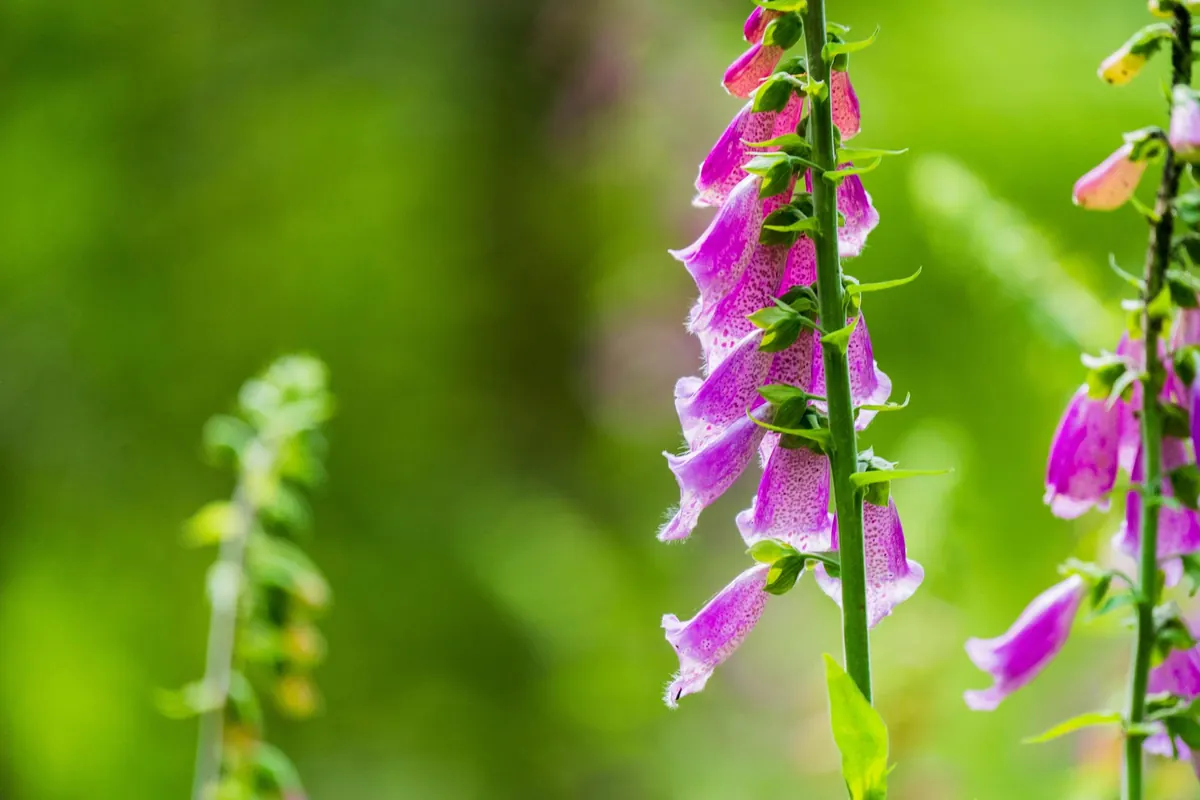
The common foxglove, Digitalis purpurea, opens its flowers from the bottom of the spike upward. That's why a good spire looks three different ways at once: shrivelled brown florets at the base, open tubes in the middle, tight buds at the tip. The whole show can run four to six weeks in cool weather and much faster in heat.
It's also a biennial, which matters more than any technique. The plant builds a leafy rosette in its first year, flowers in its second, sets seed, and dies. Once flowering is under way, its remaining resources are finite, and every seed pod it fills is energy it isn't spending on new growth. That's the whole logic behind deadheading.
A handful of species behave differently. Digitalis grandiflora, D. lutea and D. ferruginea are true perennials and will return for several years, and Digitalis x mertonensis usually manages two or three seasons. Those are the foxgloves that reward deadheading most generously.
What Deadheading Does — and Doesn't Do
There are two separate jobs, and it helps to know which one you're doing.
- Pinching individual florets keeps the spike looking fresh and can nudge the plant into producing side spikes from lower nodes.
- Cutting the entire spike stops seed production. Do it early enough and some biennials will push a few smaller secondary spikes; do it late and the plant will simply finish and fade.
What deadheading won't do is change a biennial's lifespan. A foxglove that has flowered is near the end of its run whether you cut it or not. Occasionally it leaves small offsets or fresh basal growth that may bloom the following year, but you shouldn't plan your border around it.
When to Deadhead
Individual faded florets
Start as soon as the lowest flowers drop their petals and turn brown, before the green seed capsules behind them begin to swell and harden. On a tall spike this means a quick pass every few days during peak bloom. Work in the morning on a dry day so any cut surfaces dry off rather than sitting wet.
Whole spikes
Cut the main spike when roughly the bottom two-thirds of the flowers have finished. If you wait until the top buds open and the capsules are rattling brown, you've already lost the chance at side shoots. For perennial species, cut the whole spike to the base as soon as flowering slows; many will send up fresh growth and a second, smaller flush in late summer.
How to Deadhead Foxgloves, Step by Step
- Look before you cut. Check where the fade line sits — the point where brown florets give way to open flowers.
- For tidying only, snip each spent floret just behind its base, above the swelling green capsule. Small scissors or your fingertips both work.
- For a longer season, cut the main stem back to a strong side shoot or to just above a healthy set of leaves. Cut too low and you remove the nodes the plant would have grown from.
- For seed prevention, take the whole spike down to the base of the plant or to its lowest leafy growth.
- Clean your blades between plants if you've had rot, mildew or any unexplained collapse in the border.
- Wear gloves, and wash your hands afterwards. Every part of a foxglove is toxic if eaten, so keep cuttings well away from children, pets and the vegetable patch — and don't add them to a compost heap you'll later spread on edibles.
Drop the stems on the soil at the base of the plant, or into the green waste. Left in place, the hollow stems make useful overwintering shelter for small insects.
Letting Some Spikes Set Seed
If you want foxgloves forever, the cheapest way is to let two or three strong spikes stand. The capsules ripen from green to brown, then split and scatter fine seed around the parent plant. You'll find seedlings the following spring in gravel, at bed edges, in any patch of bare soil.
A few things to weigh before you let every spike go. Seedlings don't always match the parent, so a distinctive cultivar may come back plain purple or white. And foxgloves can self-sow enthusiastically enough to feel weedy in a small garden. Check what's considered sensible where you are if you garden near natural areas.
If you'd rather control where they land, collect the capsules just as they turn brown but before they split, dry them in a paper bag, and sow fresh seed on the surface of moist compost in late summer. Light helps germination, so don't bury it.
A Simple Plan for Your Patch
Mark a few of your best plants now — colour you like, height you like — and let only those set seed. Deadhead everything else, individual florets through the main flush and the whole spike once the bottom two-thirds has gone over. If you're growing perennial foxgloves, cut hard after the first flush and keep watering, and you'll very likely get a second showing before autumn. And if a biennial does nothing after its cut but yellow and collapse, that's not failure. That's the plant completing what it came to do. Pull it, shake the seed where you want it, and start again.
Photo: Jeff Wiles / Pexels