Common Foxglove Growing Mistakes and How to Fix Them
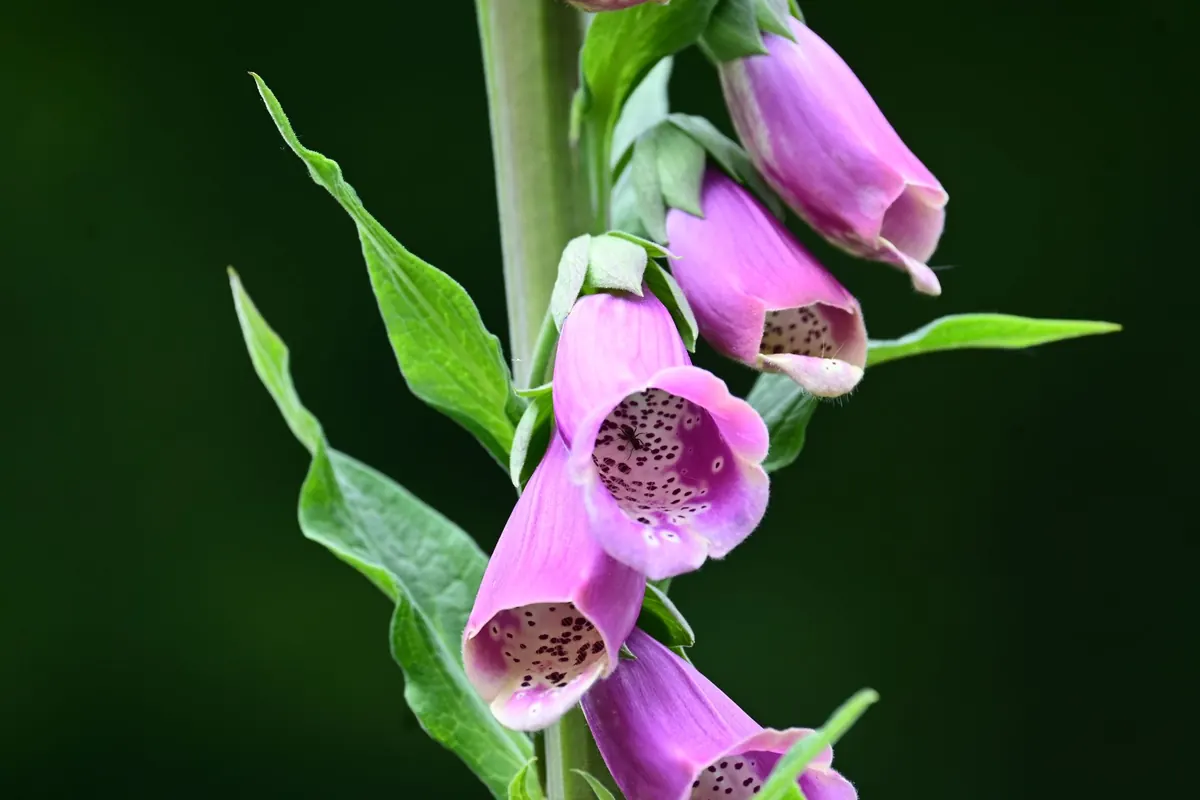
Foxgloves have a reputation for being easy. Scatter the seed, wait a year, and by early summer you have spires of speckled bells leaning over the border. The problem is that the scatter-and-hope method works just often enough to hide what quietly went wrong. Seeds that never germinate. Seedlings that collapse at the soil line. Stems that need staking by the first week of June. Almost all of it comes down to a few small misreadings of what the plant actually wants — and none of it is difficult to correct once you know where to look.
Seeds Bury Too Deep and Germination Stalls
This is the single most common reason a packet of foxglove seed produces nothing. Digitalis seed needs light to germinate. Sow it a quarter-inch deep, the way you would a bean, and most of it simply never wakes up. The seed also needs steady moisture and a soil temperature that stays roughly between 65 and 70°F — not the chilly windowsill above a draughty door, and not the baking top shelf of a greenhouse.
Press the seed onto the surface of damp seed compost and barely dust it with vermiculite. That is enough coverage. Then keep it consistently moist with a lid or a clear bag, venting it daily so condensation does not build up.
- Use fresh seed where you can. Foxglove seed loses viability quickly, especially in a warm kitchen drawer; kept cool and dry it holds for a couple of seasons at best.
- Sow thinly. A dense carpet of seedlings competes for light from day one and weakens every plant in the tray.
- Water from below, or with a fine mist, so you do not wash the seed into a corner of the tray.
- Be patient for two to three weeks before deciding the sowing has failed. Germination is often uneven, with stragglers appearing long after the first green fuzz.
- If nothing appears after a month, resow rather than wait. Cold, wet compost is the usual culprit, not bad luck.
Damping Off, Crown Rot, and Wet Winter Soil
Damping off kills seedlings fast. The stem pinches to a thin, dark thread right at the compost surface and the plant topples. It is a disease of cold, sodden, stagnant conditions, which is exactly what an overwatered tray on a shaded windowsill provides. Fresh compost, clean pots, good airflow, and thinning seedlings early all reduce the risk. Once a patch has collapsed, remove those seedlings and the compost around them, and improve ventilation rather than reaching for a spray.
In the border, the equivalent problem is root and crown rot, and it usually shows up after a wet winter. Foxgloves want soil that drains. In heavy clay, or in the dip at the bottom of a slope, the crown sits in water for weeks and rots from the middle out. You will find a rosette that lifts away from the ground with almost no roots attached.
The fix is structural rather than chemical. Work in grit and plenty of compost to open the soil, plant on a slight mound so water runs away from the crown, and keep mulch and leaf litter clear of the point where the leaves meet the stem. If your site floods in winter, grow foxgloves in raised beds or large pots instead and accept that some plants will be short-lived.
Leggy Stems That Flop Before They Flower
Tall foxgloves in a wild corner look right. Tall foxgloves that fold over the path in June look like a mistake, and they usually are. Soft, stretched growth comes from three things: too little light, too much nitrogen, and crowding.
Seedlings started on a dim windowsill or left in a packed tray will stretch toward whatever light they can find, and that weak stem never thickens properly. Move them into bright, cool conditions as soon as they germinate. In the border, thin the plants so each rosette has room — around 12 to 18 inches apart is a reasonable target for most varieties.
Skip the general-purpose liquid feed. Rich, nitrogen-heavy soil grows huge leaves and floppy flower spikes. Ordinary garden soil with compost worked in is plenty. Keep water steady while the spike is extending; a plant that dries out hard and then gets soaked tends to produce a stem that kinks. If a clump is already leaning, push in a discreet stake early, while the spike is still short, rather than trying to rescue it later with twine.
Transplant Shock and the Taproot Problem
Foxgloves grow a taproot, and they resent having it disturbed. Seedlings pricked out of a shallow tray at four inches tall often sulk for weeks, and some never recover. Two rules follow from that.
- Sow in deep modules or root trainers rather than shallow trays, so the root can run straight down.
- Move plants young, when they have two to four true leaves and the taproot is still short.
When you do transplant, water the hole first, settle the plant at the same depth it was growing, firm gently, and water again. Choose an evening or a cloudy day. Give it shade for a few days with a piece of cardboard or a bottomless flower pot if the sun is strong. Do not feed a wilting transplant — that makes things worse. Water, shade, and time are what it needs. Foxgloves are also poor candidates for division; a clump split in spring will often die outright, so raise new plants from seed instead.
Watering and Feeding Errors in Pots and Borders
In containers, foxgloves die more often from kindness than neglect. A pot that sits in a saucer of water all winter will rot; one that dries out completely in July will abort its flower spike. Aim for even moisture, use a free-draining compost with grit mixed through, and empty saucers after rain.
In the border, established plants cope with short dry spells surprisingly well, but they need water while the flower spike is growing and while seed is setting. Deep, occasional watering beats a daily sprinkle. A mulch of garden compost keeps roots cool, provided you keep it an inch or two back from the crown. And a note worth repeating: all parts of the foxglove plant, including the seed, are toxic if eaten. Wear gloves if you are handling a lot of foliage, wash your hands afterwards, and keep the plants out of reach of children and pets that chew.
Pests, Rust, and the Biennial Confusion
Slugs do their worst damage to young seedlings, so set protection out before you plant, not after you notice shredded leaves. Aphids cluster on flower spikes in early summer; a strong jet of water deals with small colonies. Rust appears as orange-brown pustules on the undersides of leaves — pick off affected leaves, avoid overhead watering, and give plants more air.
The last mistake is a matter of expectation. Most common foxgloves are biennial: a leafy rosette the first year, flowers the second, then the plant dies. Gardeners who do not know this pull up healthy first-year plants in autumn, convinced they have failed. If you want flowers every summer, sow a batch two years running, or let plants self-sow and simply move the volunteers where you want them. A few species, such as Digitalis grandiflora and Digitalis lutea, are genuinely perennial and will return from the same crown.
A Simple Season Plan That Prevents Most of This
Sow in late spring or early summer, surface-sow into deep modules, and keep the trays cool and bright. Prick out or plant while the seedlings are small, space them properly, and leave the soil alone apart from a mulch. Stake early, water deeply rather than often, and resist the urge to feed.
Then do the one thing that makes all of this easier next year: write a label and a date. A short note about which sowing germinated well, where you planted it, and how the stems held up tells you more than any general rule. Foxgloves reward a little attention at the start and very little afterwards — the trick is knowing which stage you are in.
Photo: Werner Redlich / Pexels